
Empower your future

Unlock your potential in technology

View Courses

Transforming education through technology

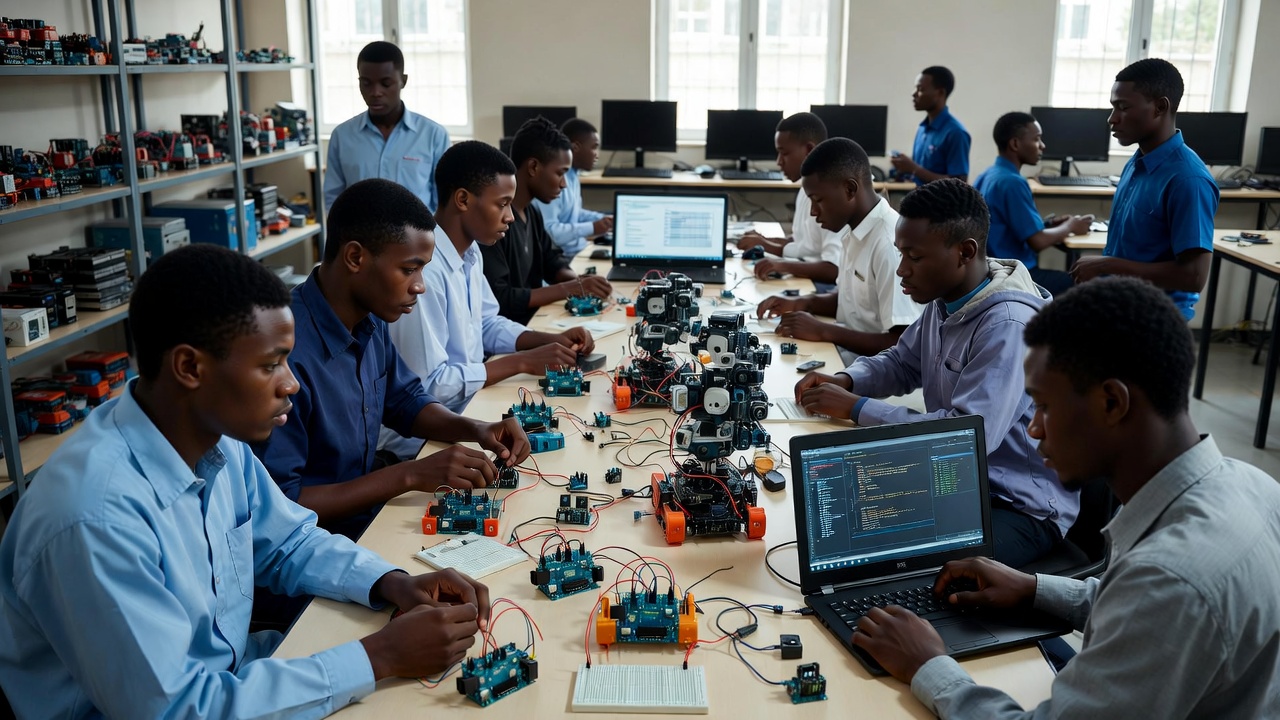
The Department of Computer and Robotics Education at the University of Uyo—Faculty of Vocational Education, Library & Information Science—offers hands-on, industry-focused training that prepares students to design, build and maintain software and intelligent systems for the future.

Empowering future tech leaders

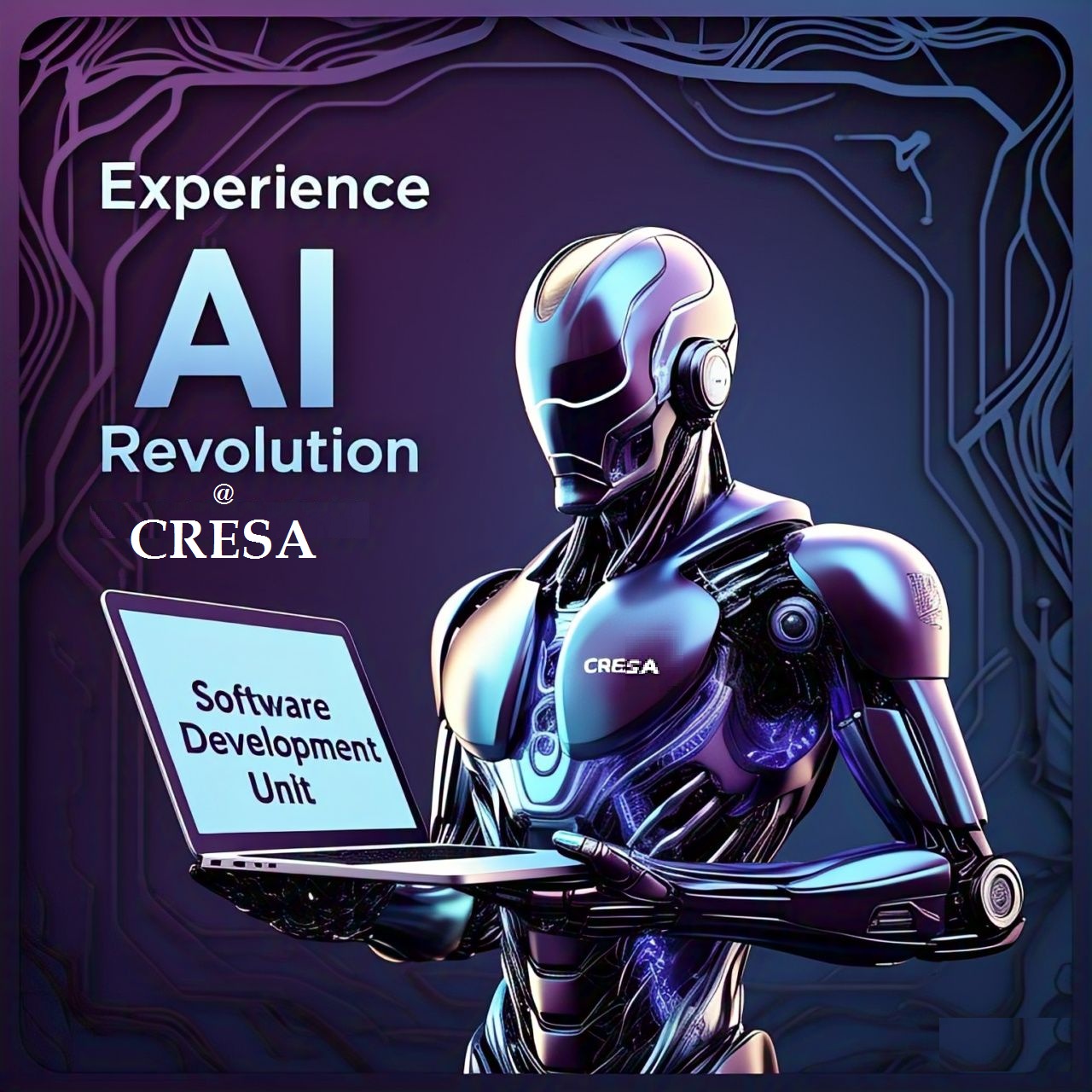
Software development and coding session

Software Development & Maintenance

Learn programming, software lifecycle, testing and maintainable engineering practices. The software unit trains students to architect, build and maintain robust, secure applications for web, mobile and embedded systems.

Extended curriculum: Full-stack development (React, Node.js, Django), database management (SQL/NoSQL), DevOps basics, version control (Git), software quality assurance, and agile methodologies. Graduates are prepared for roles as software engineers, DevOps specialists, or technical leads.
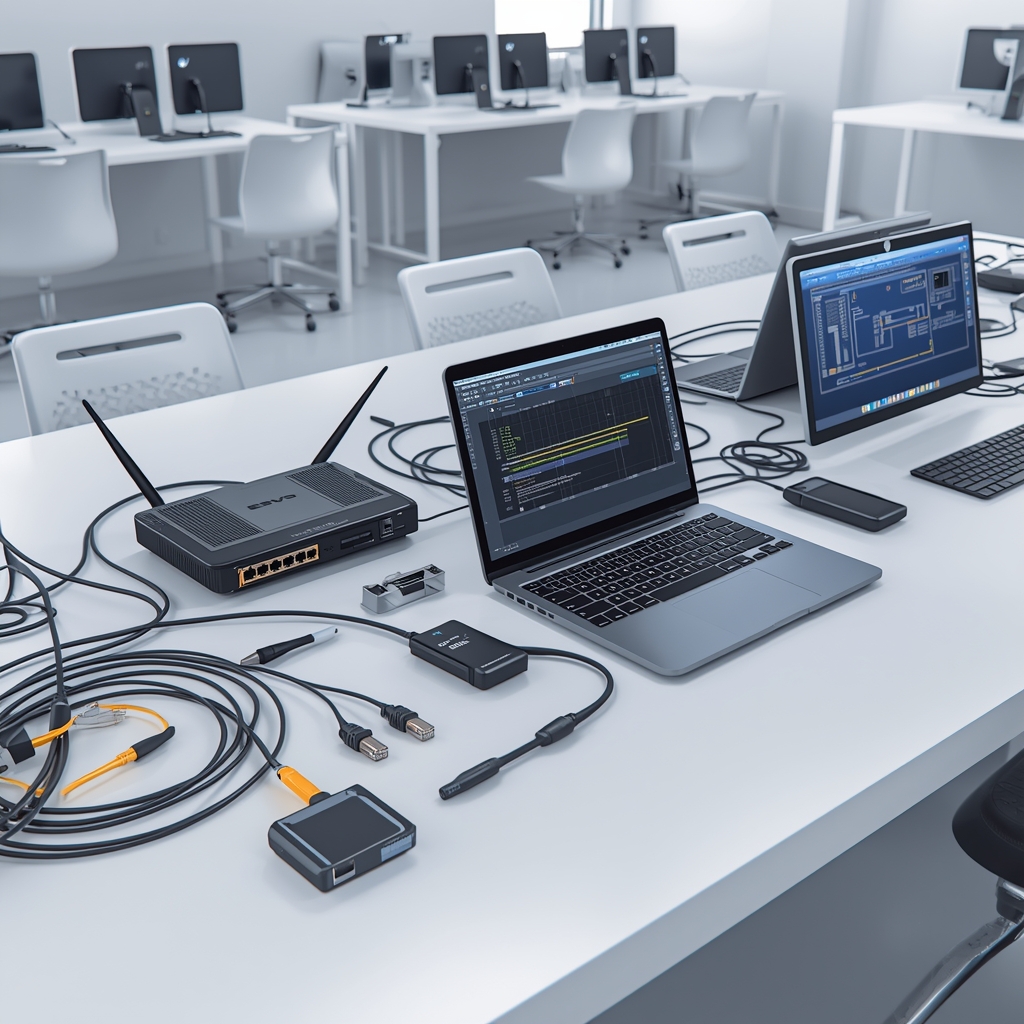
Computer networking equipment and routers

Computer Networking

Study network design and administration, routing, switching, network security and cloud fundamentals. Graduates will be prepared to deploy and manage modern networking infrastructures.

Extended curriculum: CCNA/CCNP concepts, wireless networking, network automation (Python), cloud platforms (AWS, Azure), cybersecurity fundamentals, and network troubleshooting. Hands-on labs with real Cisco equipment. Career paths include network engineer, security analyst, and cloud architect.

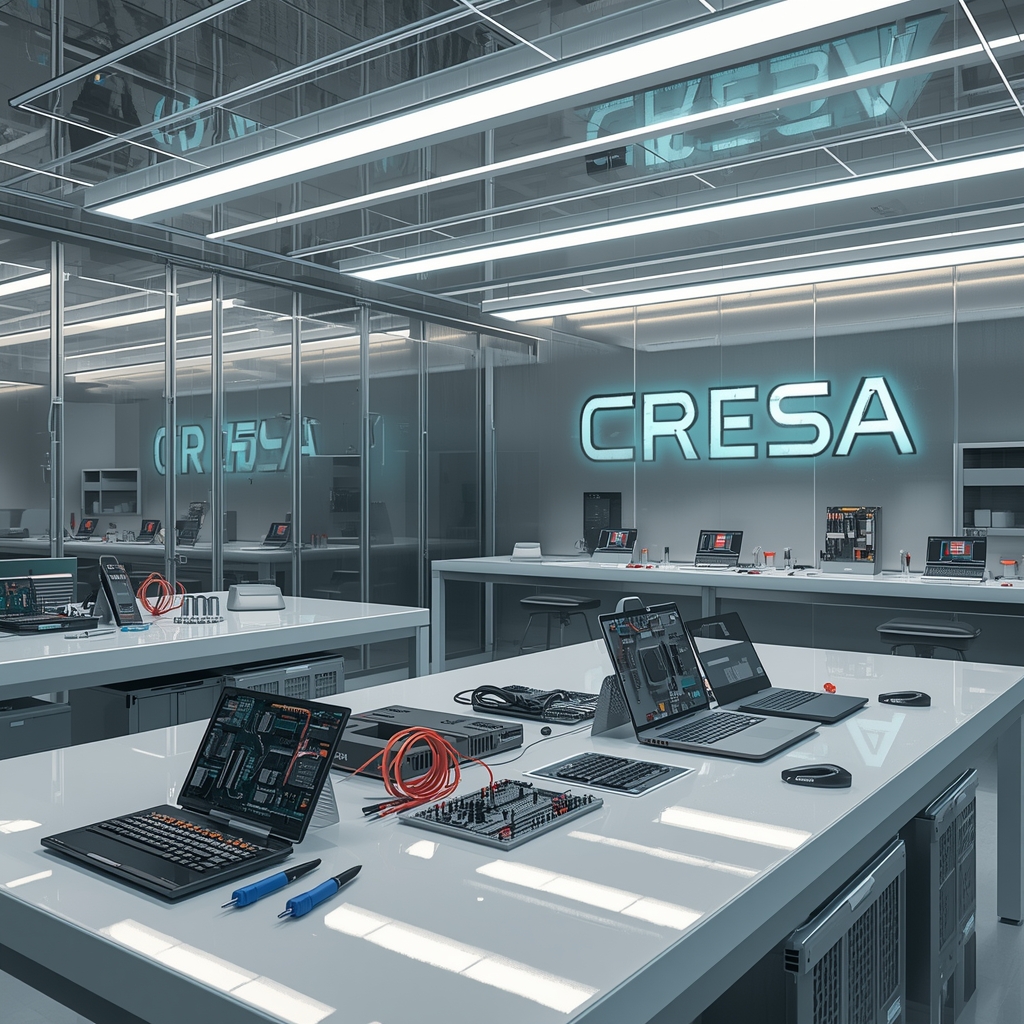
Computer hardware repair and maintenance

Computer Repairs & Maintenance (Hardware Unit)

Get hands-on experience troubleshooting, repairing and maintaining computer systems and peripherals. This unit covers practical diagnostics, replacements and preventive maintenance.

Extended curriculum: Motherboard architecture, BIOS/UEFI, power supply units, storage devices (HDD/SSD), peripheral interfacing, soldering techniques, and advanced diagnostics. Students also learn about IoT hardware and embedded systems. Ideal for IT support specialists and hardware technicians.

Robotics and artificial intelligence illustration

Robotics & Artificial Intelligence

Dive into robotics systems, embedded controllers and AI techniques. Students build intelligent machines, learn sensor integration and apply machine learning to practical tasks.

Extended curriculum: ROS (Robot Operating System), computer vision (OpenCV), machine learning (scikit-learn, TensorFlow), reinforcement learning, autonomous navigation, and human-robot interaction. Projects include line‑following robots, drone programming, and AI chatbots.

Masters in Computing and Robotics

Masters Programs in Networking, Software Development, Computer Hardware & Robotics

Advanced postgraduate studies designed for graduates who want to deepen their expertise and become leaders in their chosen fields. Our MSc programs combine rigorous theory with cutting-edge research.

Extended curriculum: Specialised tracks in each domain:
- Software Engineering: Advanced software architecture, cloud-native development, DevOps leadership, software security.
- Networking: Software-defined networking (SDN), 5G/6G networks, network function virtualization (NFV), advanced cybersecurity.
- Hardware: VLSI design, embedded systems for AI, FPGA programming, Internet of Things (IoT) architectures.
- Robotics/AI: Advanced robotics perception, multi-agent systems, deep reinforcement learning, autonomous decision making.
Research thesis and industry internship included. Graduates are prepared for senior technical roles, R&D positions, or PhD studies.

PhD research in Computing and Robotics

PhD Programs in Networking, Software Development, Computer Hardware & Robotics

Doctoral studies for candidates aiming to contribute original research and become academic and industry leaders. Our PhD programs emphasise innovation, publication, and mentorship.

Extended curriculum: Supervised research leading to a defendable thesis. Areas of focus include:
- Software: Formal methods, programming languages, software testing automation, quantum computing.
- Networking: Next‑generation protocols, network security analytics, satellite/terrestrial integration.
- Hardware: Low‑power computing, neuromorphic hardware, hardware security, advanced microarchitectures.
- Robotics/AI: Explainable AI, swarm robotics, medical robotics, AI for scientific discovery.
PhD candidates receive close supervision from world‑class faculty, access to advanced laboratories, and funding for conference participation. Graduates pursue university faculty positions, research scientist roles, or high‑level industry R&D.

Reach out for inquiries or support

Admin Control Center

Dashboard

Total Visitors1,234
Page Views5,678
Messages0
Comments0
Likes0

Content Management


Media Management

AI Management

Messages 0

    Comments 0

      Users & Admins

      Settings